
Daily Routines to Protect Your Dental Health
Maintaining a healthy smile is about more than just occasional brushing or flossing. To truly protect your dental health, it’s essential to integrate consistent habits into your daily routines for teeth care. These routines not only help prevent cavities and gum disease but also play a significant role in preserving your overall oral health for the long term. Let’s explore the best habits to protect oral health and how to implement everyday tips for dental care to keep your teeth shining bright.
The Power of Brushing
The cornerstone of any solid dental routine is brushing your teeth. Brushing twice a day is essential for preventing plaque buildup, which can lead to cavities and gum disease. But it’s not just about brushing; it’s about brushing correctly.
Using a fluoride toothpaste and a soft-bristled toothbrush, gently brush your teeth in a circular motion. Don’t forget to brush along the gumline, where plaque tends to accumulate. Make sure to brush for at least two minutes, covering all surfaces of your teeth, including the hard-to-reach back molars. Remember, brushing too aggressively can damage your enamel, so it’s important to maintain a gentle touch.
Brushing at the right times also matters. The ideal times are in the morning after breakfast to remove any overnight plaque and before bed to ensure you’re not leaving food particles to linger overnight. If you’re brushing after a sugary meal or acidic drink, wait about 30 minutes to avoid eroding your enamel, which can be softened temporarily by acid.
Flossing for a Thorough Clean
While brushing is essential, it can’t reach all the nooks and crannies between your teeth. This is where flossing becomes crucial. Flossing removes the debris that can accumulate in tight spaces between teeth, helping to prevent gum disease and cavities. Even if you feel like you don’t have food stuck between your teeth, daily flossing is a vital step in your teeth protection strategies because it clears away the plaque that brushing alone might miss.
Use about 18 inches of floss, winding the ends around your fingers and gently sliding it between your teeth. Curve the floss into a C shape against each tooth and move it up and down to remove plaque. Flossing once a day, preferably before bedtime, ensures that your teeth stay thoroughly clean.
The Role of Mouthwash
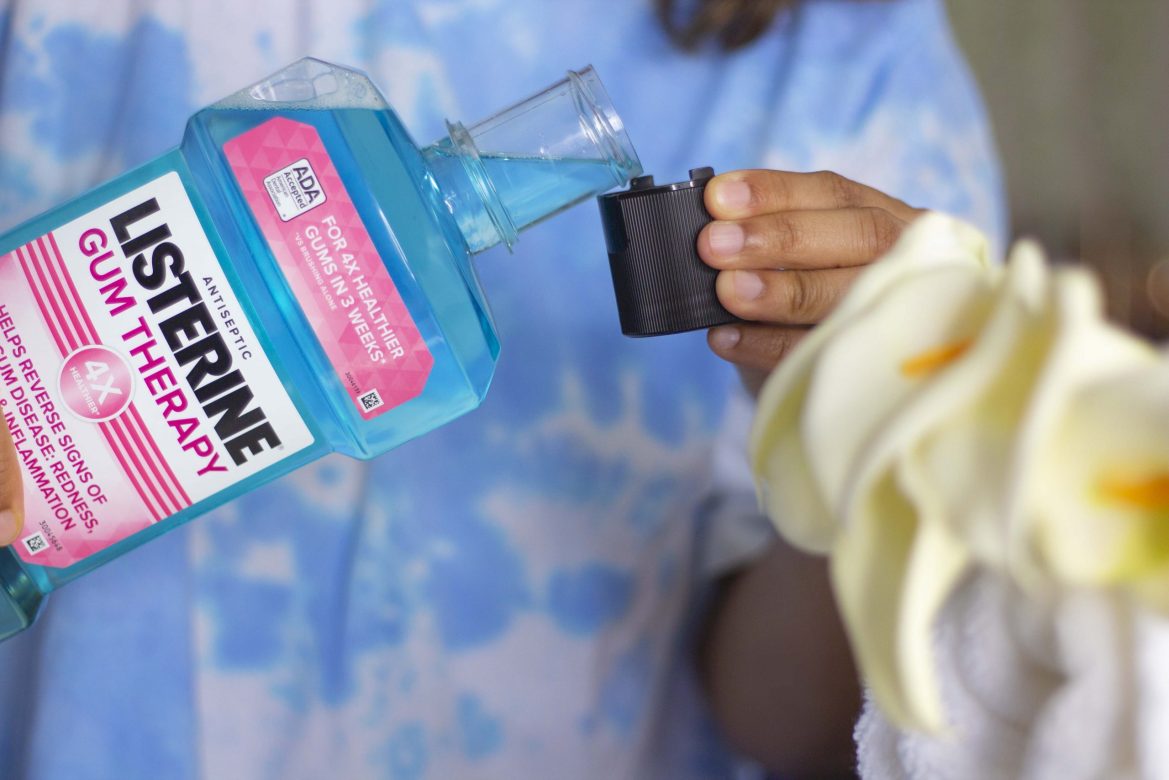
Mouthwash can be a beneficial addition to your daily routines for teeth care. It serves multiple purposes: it freshens your breath, reduces plaque buildup, and can even help prevent gingivitis and tooth decay. Look for an alcohol-free mouthwash with fluoride or antibacterial properties to protect against oral bacteria and enhance the effectiveness of brushing and flossing.
Swish the mouthwash around in your mouth for about 30 seconds to a minute, making sure to coat all areas of your mouth, including the back of your throat. It’s important to avoid eating or drinking for at least 30 minutes after using mouthwash, as this allows the active ingredients to fully protect your teeth.
Protecting Your Teeth from Harmful Habits
Some habits may seem harmless but can wreak havoc on your dental health. For instance, chewing on ice, hard candies, or pencils can weaken your teeth, potentially leading to cracks or fractures. If you grind your teeth at night (a condition called bruxism), you may unknowingly cause serious damage to your enamel and jaw. If you suspect you grind your teeth, consider asking your dentist about a night guard to protect your smile while you sleep.
Smoking is another habit that harms oral health. It not only stains your teeth but also increases your risk of gum disease and oral cancer. Quitting smoking or reducing tobacco use can greatly improve your oral and overall health.
Hydration for Healthy Teeth
Keeping your body well-hydrated is vital for maintaining healthy teeth and gums. Saliva plays an essential role in neutralizing acids and washing away food particles that can lead to tooth decay. Drinking plenty of water throughout the day helps to keep your mouth moist, ensuring that saliva can do its job effectively.
Water also helps wash away acids and bacteria from sugary or acidic foods and drinks. If you’re drinking coffee, soda, or fruit juices, consider sipping water alongside them to help protect your enamel from damage.
Eating a Tooth-Friendly Diet
What you eat has a direct impact on the health of your teeth. A well-balanced diet rich in calcium, phosphorus, and vitamin D can strengthen your enamel and prevent cavities. Dairy products like milk, yogurt, and cheese are excellent sources of calcium, while leafy greens, nuts, and fish provide essential nutrients for healthy teeth.
Avoid excessive consumption of sugary and starchy foods, which can fuel harmful bacteria in your mouth and contribute to tooth decay. If you do indulge in sweets, try to eat them as part of a meal rather than as a snack. This reduces the time your teeth are exposed to sugar.
Crunchy fruits and vegetables like apples, carrots, and celery can also be great additions to your diet. They stimulate saliva production and help clean your teeth naturally. So, while you’re munching on these healthy foods, you’re also protecting your enamel and gums.
Regular Dental Checkups
Even with the best home care routine, regular visits to your dentist are crucial. Professional cleanings and exams help catch any issues early before they become more serious problems. Your dentist will check for signs of tooth decay, gum disease, and other potential issues.
In addition to the cleaning, your dentist may offer fluoride treatments or sealants for extra protection. If you’re doing everything right at home, but still experiencing issues like tooth sensitivity or persistent gum bleeding, it’s important to address these with a professional. Routine visits are the key to maintaining a lifetime of healthy teeth.
Conclusion
Incorporating simple teeth care for life into your daily routine is the best way to ensure long-term dental health. By brushing and flossing properly, using mouthwash, avoiding harmful habits, staying hydrated, eating tooth-friendly foods, and visiting your dentist regularly, you are taking proactive steps toward maintaining a beautiful, healthy smile. These everyday tips for dental care aren’t just about having a great smile; they’re about keeping your teeth and gums healthy for years to come. Start implementing these teeth protection strategies today, and you’ll enjoy the rewards of a radiant, confident smile for a lifetime!


